
theladymap.webp

Myanmar might not be the first country that comes to mind when thinking of coffee producers but the history of growing coffee there dates back to the 1800s. Production was never huge - most of the coffee would either be drunk locally, or head to the larger Asian coffee consuming countries rather than head Westwards to Europe. Investment in modern specialty coffee came aligned with political system reform and coffees now showcase bold process influenced flavour profiles that match the beautiful landscapes of rural Myanmar.

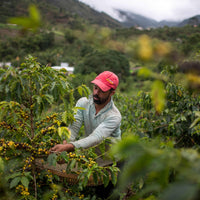
The Lady is a perfect example of this - a smallholder coffee project that seeks to process and promote the harvest of only female coffee producers in the Ywangan region of the country. This micro-lot is a carbonic macerated red honey process Maceration is a fermentation that started in winemaking and is based on the principle that with any fruit fermentation carbon dioxide is a by-product. Wine makers tried an approach where wine starts fermentation in a carbon dioxide rich environment so that the carbon dioxide permeates the fruit skin and fermentation starts within the fruit itself. It helps reduce tannins in wine and importantly for coffee, produces bolder, fruiter wines.

theladyflavrourchart.webp

How does this all taste after roasting? We’ve given this a medium to dark roast to bring out a rich milk chocolate praline base note on which lots of cooked fruit and berry like flavours can sit. Bold plum and grape notes combine with walnut and bakers chocolate. With hints of prune, vanilla and warming spice on the finish this gives the coffee and fruit loaf flavour profile feel. A low-level candied orange peel note adds just enough structure on the finish. There is a cocoa butter texture to the mouthfeel which helps the overall feel of the coffee come across as a warming and comforting brew.

theladyillustration.webp

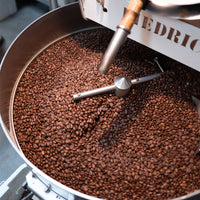
Because coffee is the seed of a fruit this novel form is processing can be applied to harvested coffee. As with wine coffee is placed in a controlled carbon dioxide rich environment for three days, managed to allow excess gas to escape, and measured to make sure sugar levels and pH are just right. In wine an extra fermentation to create alcohol would then take place but with natural processed coffee it’s sent straight to the drying tables for a month of careful curing.


you might also like: