
sitiosaofranciscomap.webp

Jose Francisco Bueno's Sítio São Francisco sits in the Mantiqueira mountains, a range that earned its own Denomination of Origin in 2020, recognising the coffee grown there as genuinely distinctive and high quality. At a high elevation of 1,350 metres, the soil on Jose's farm is heavy with minerals, and the days run warm against crisp cold nights, slowing the cherry down as it ripens.

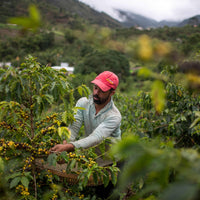
Many of the farms in the Mantiqueira area are Sitios reflecting a small holder family approach to coffee farming. In Brazil, a sítio is a small farm, usually family run, set against the fazendas that make up the country's larger coffee estates. The grower here talks about the work in the first person, with their family beside them through harvest and processing.

Sitio São Francisco is very much like this and across the farm there are four small plots of cultivars planted side by side: Catucaí 2SL, Yellow Catuaí, Mundo Novo and Arara, with this micro lot coming from the Yellow Catuaí. Water springs and native forest on the land are left standing, part of a wider approach to keeping coffee production and the environment in balance

sitiosaofranciscobrazilflavourchart.webp

Jammy strawberry and dried fruit lie over a sweet caramel base. Dark chocolate and maple syrup build through the middle, layering the sweetness until the cup reads more like pudding than coffee. Zesty mandarin orange cuts through, giving it real structure, before roasted almond and vanilla build through the finish.
Roasted medium light, there's enough development to hold the chocolate and syrup together without masking the berry fruit. The mouthfeel is full and substantial, coating the mouth and carrying every note right through to the end

sitiosanfranciscoillustration.webp

Rancho São Benedito has worked with the local COCARIVE cooperative for around a decade now, receiving agronomy support and access to the cooperative's dry milling facilities. Further back, the farm has also placed as a Brazil Cup of Excellence finalist five times since 2002.
This is a classic natural process that placed fourth in COCARIVE's internal quality competition. Pickers take the cherry ripe and lay it out whole on patios and raised beds to dry in the sun. They turn the fruit through the day for even drying, and take out anything overripe, underripe or damaged by hand as part of the quality controls. Once dried and rested, the coffee was kept in Carmo de Minas, where the cooperative's own Q graders and cuppers select this as one of the best coffees of the member base.


you might also like: